Table of Contents
- University-Community Links International Conference | 2015
- University-Community Links International Conference | 2016
- University-Community Links International Conference | 2017
- California Association for Bilingual Education (CABE) Conference | 2018
- University-Community Links International Conference | 2018
- Journal of Language and Literacy Education (JoLLE) Winter Conference | 2018
- Chinese American Educational Research & Development Association (CAERDA) Conference | 2019
- University-Community Links International Conference (Workshop Presentation) | 2020
- University-Community Links International Conference (Panel Presentation) | 2020
- Gevirtz Graduate School of Education Digital Research Symposium | 2020
- 10th International Education and Social Justice Conference | 2020
- International Conference on Language Teaching and Learning | 2021
University-Community Links International Conference | 2015
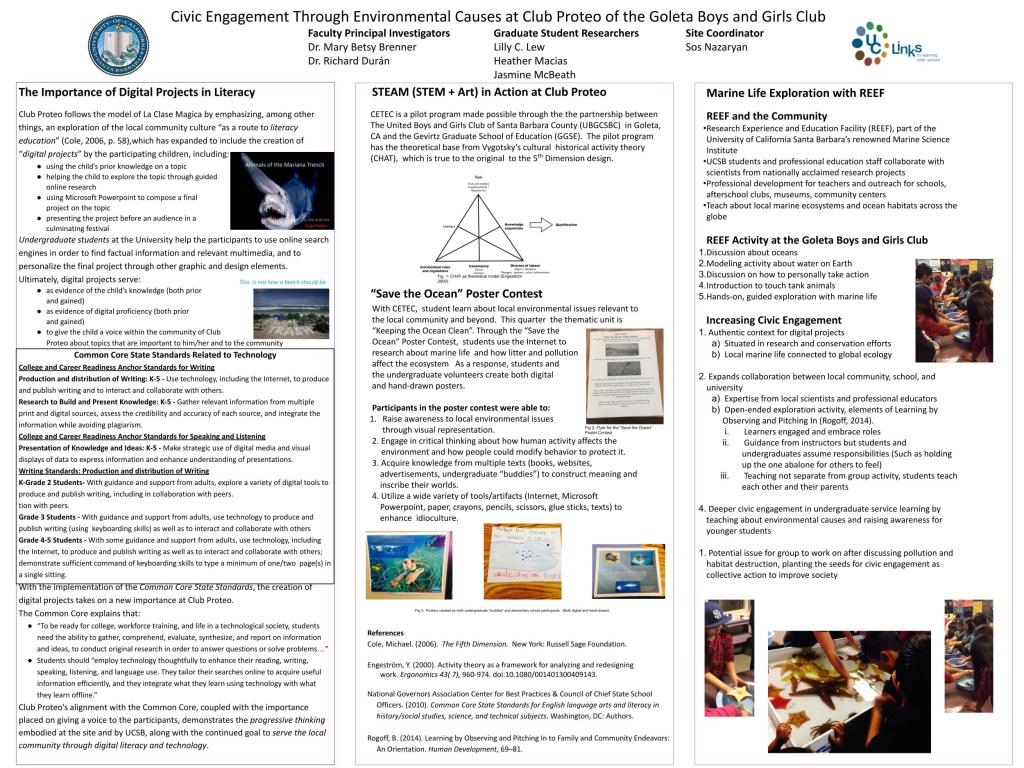
University-Community Links International Conference | 2016
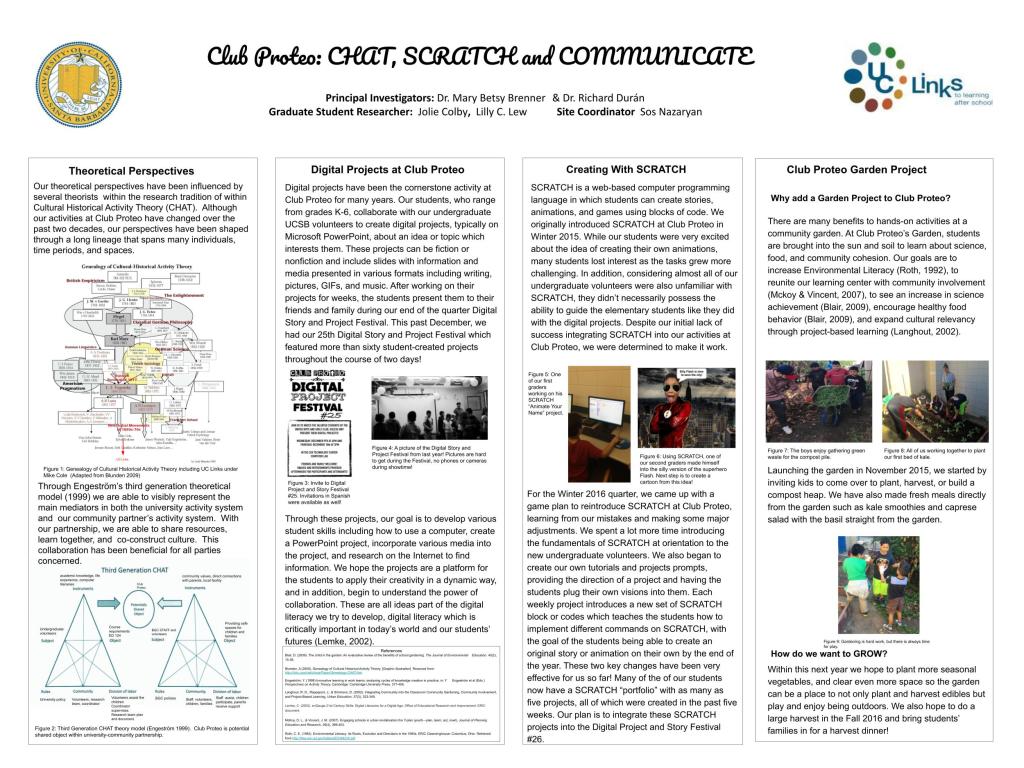
University-Community Links International Conference | 2017


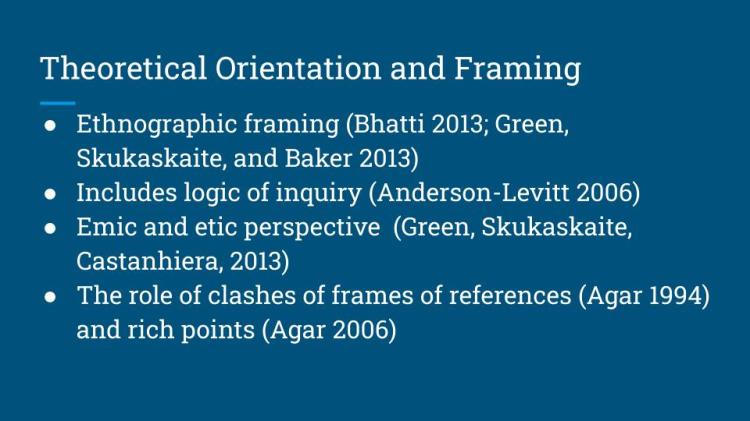
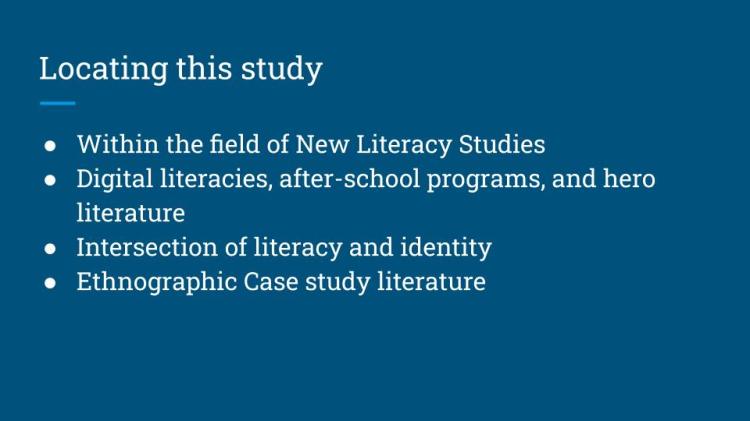
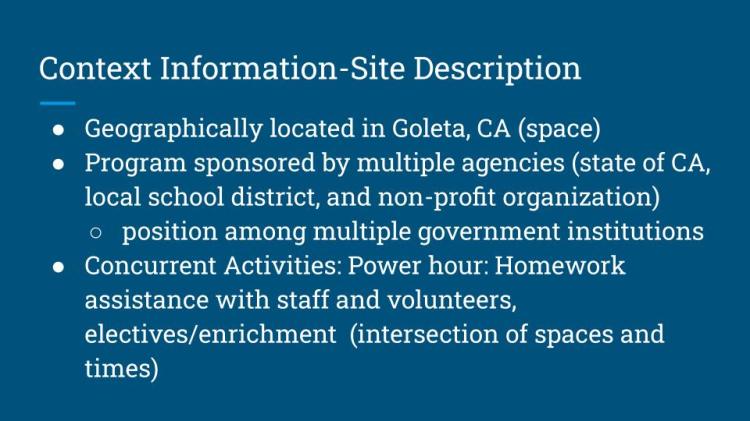
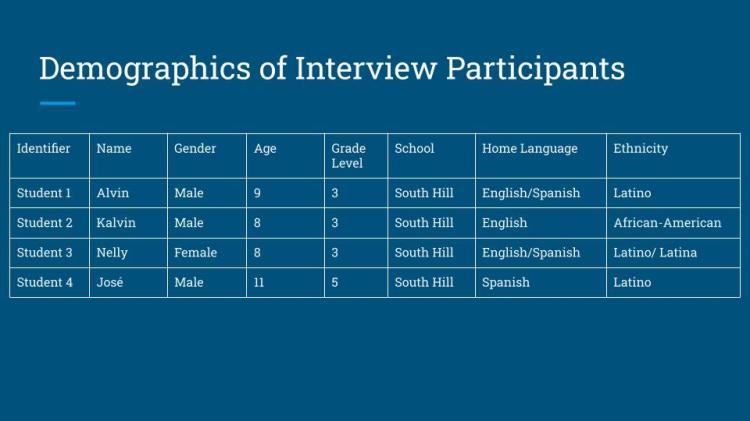


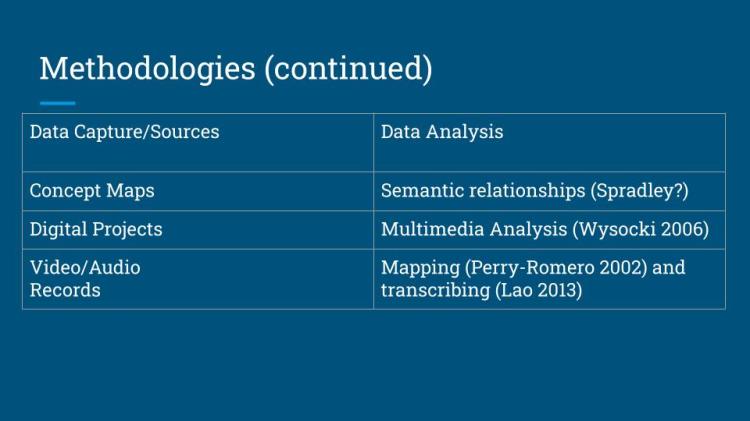

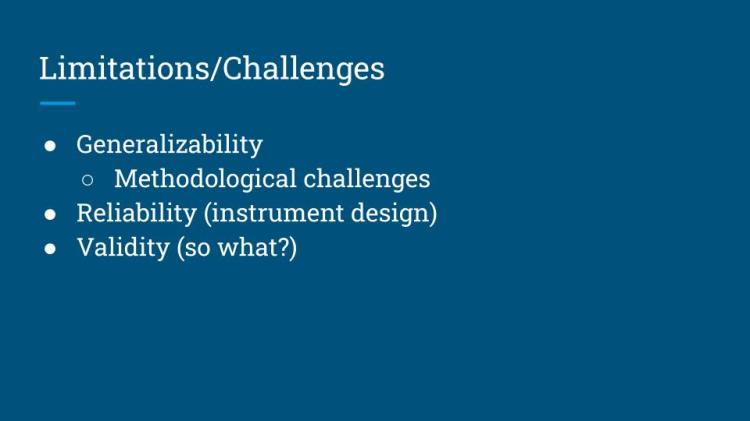
California Association for Bilingual Education (CABE) Conference | 2018





University-Community Links International Conference | 2018
Journal of Language and Literacy Education (JoLLE) Winter Conference | 2018




Chinese American Educational Research & Development Association
(CAERDA) Conference | 2019





University-Community Links International Conference (Workshop Presentation) | 2020
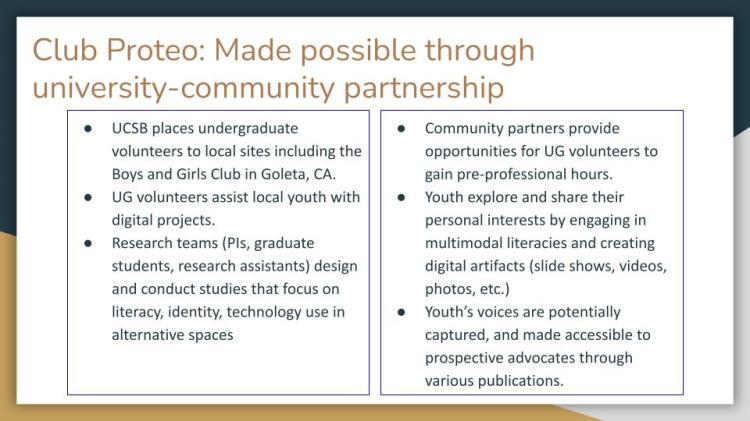
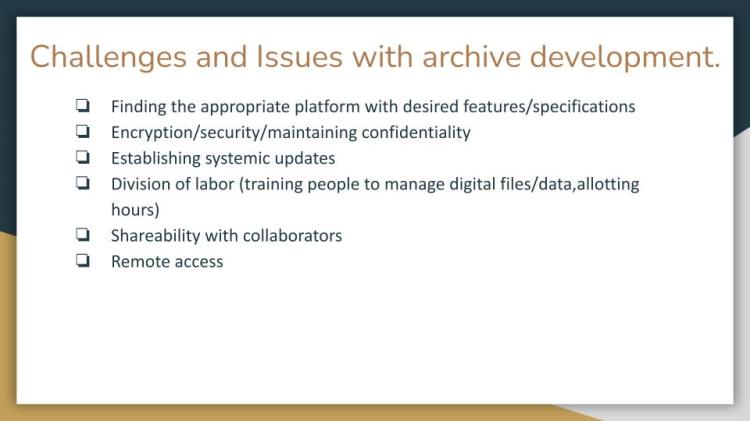
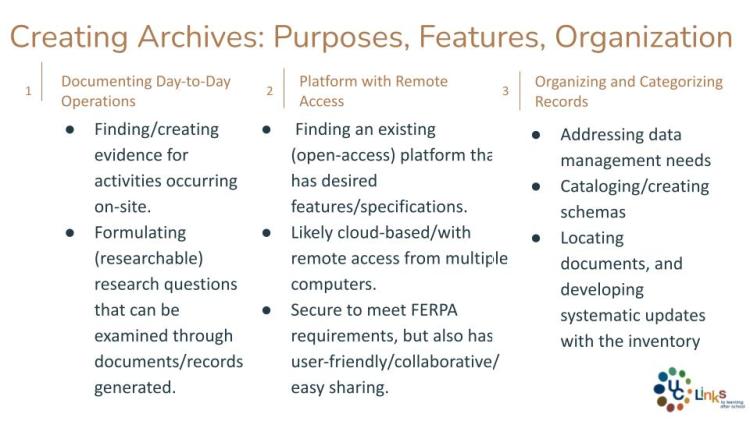



University-Community Links International Conference (Panel Presentation) | 2020




Gevirtz Graduate School of Education Digital Research Symposium | 2020
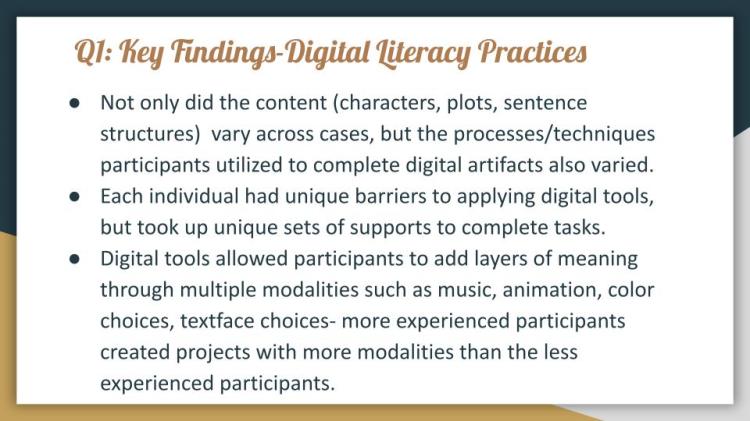
This poster presentation focuses on youths’ identity development through digital
storytelling in a community-based after school program. Although there have been several
studies that explore this phenomenon, this pilot study uncovers ways in which elementary
school-aged girls articulate their vision and demonstrate individual agency by grappling with creative decisions while engaging in multimodal literacies.
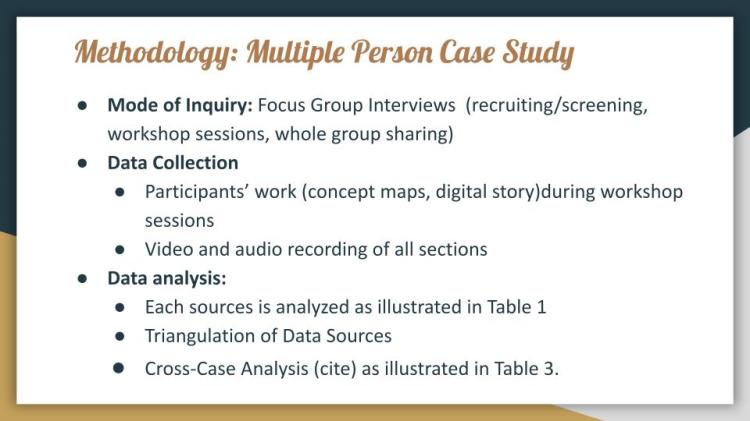
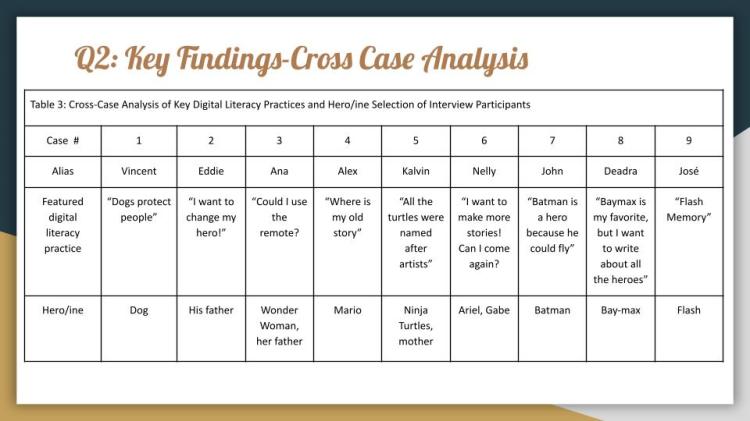
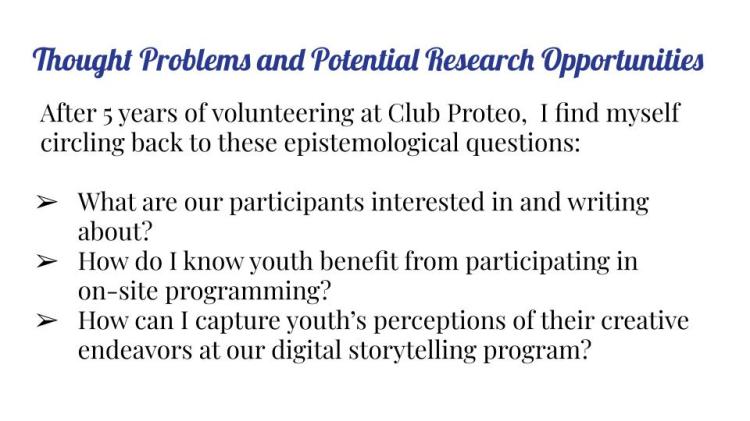
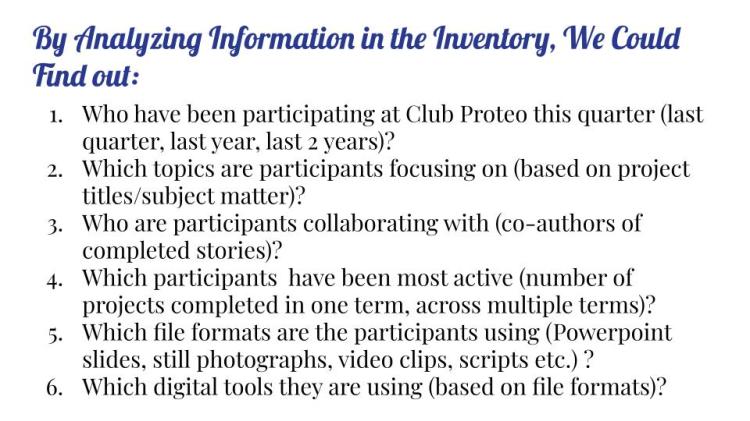
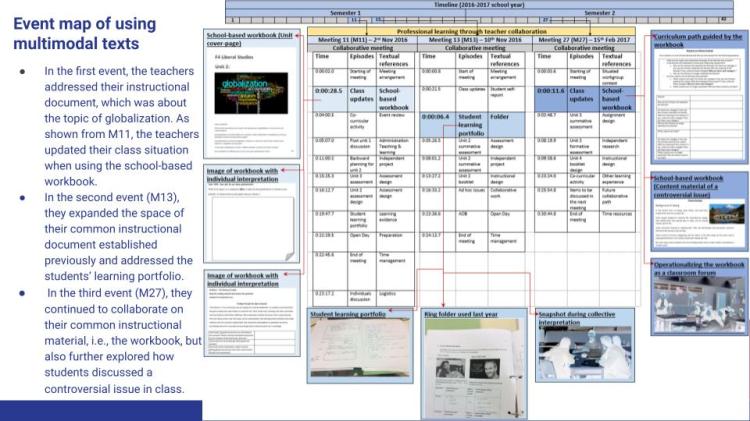
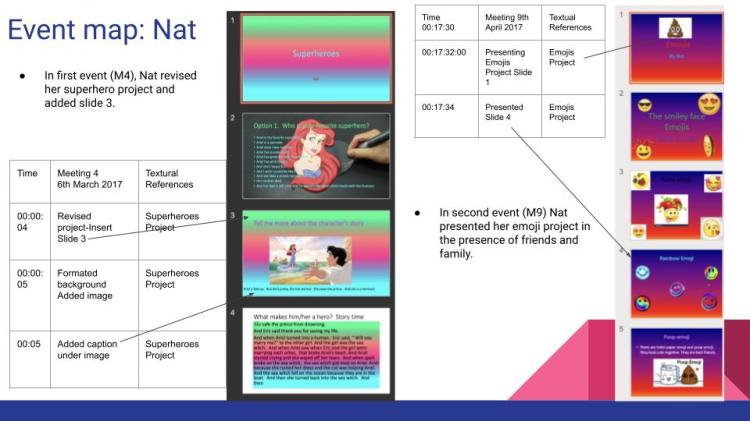
In order to investigate youth’s perspectives of their participation, researchers interviewed two girls about their experience digital storytelling, their sources of motivation, and hypothetical questions regarding various degrees of group participation. The research teams captured their responses with video and audio recording from two cameras. Afterwards, the research team constructed a multimodal transcript with event-mapping of the video footage and audio transcriptions. In addition to the multimodal transcripts, researchers include a cross-case analysis of interview responses from both cases.
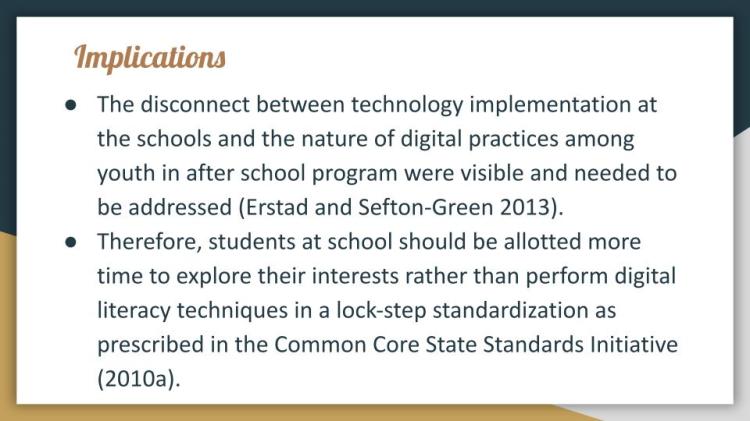
Thus, the visualization of these analyses unveil youths’ relationships established through negotiation, social positioning of team members, consequential progressions of events, as well as human-computer interaction. This case study includes multi-layered evidence that reveals how elementary school-aged girls represent their social realities by creating digital artifacts and using readily available technologies to design their worlds. The implications of this study address systemic inequities with technology use among girls in under resourced communities, and alludes to opportunities for digital citizenship and social empowerment.

10th International Education and Social Justice Conference | 2020
In the field of new literacies studies, several different research teams have prototyped multimodal literacy assessments in the last 15 years (Erickan et al., 2018; Gong et al., 2009; Hung et al., 2012; Unsworth & Chan, 2009). In an attempt to address equity issues in multimodal literacy assessments, scholars have advocated for expanding the definition of multimodal literacies (Botelho et al., 2014; McGrail & Behizadeh, 2017; Stornaiuolo et al., 2009). Few case studies (Hull & Katz 2006; Nelson, Hull, & Roche-Smith 2008; Hull, Stornaiuolo, Sahni 2010) have examined participation in multimodal literacy practices within an after school youth program.
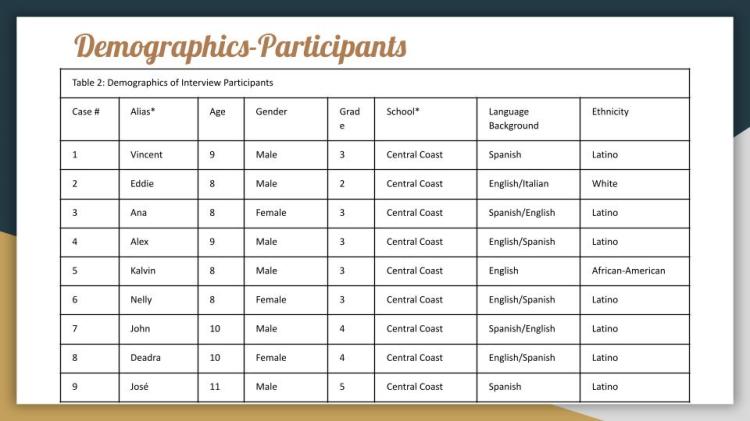
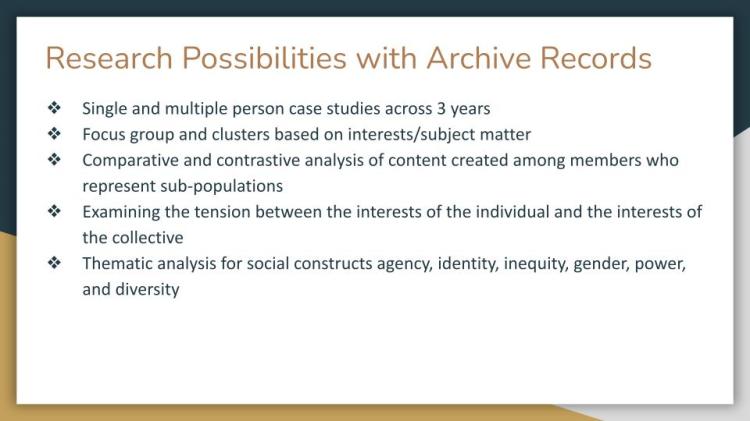
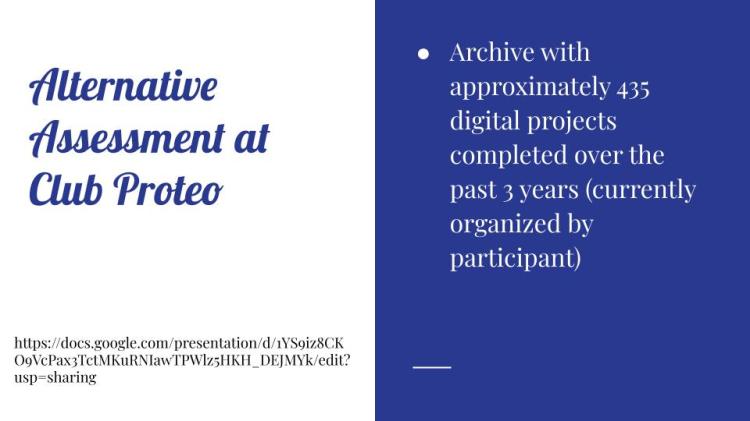
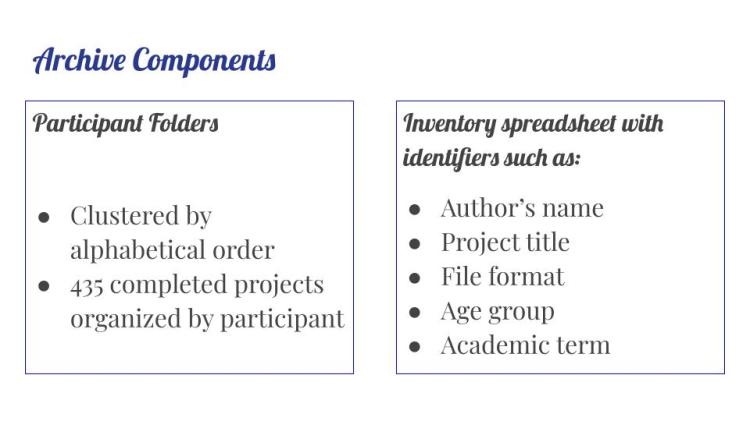
In order to investigate the nature of multimodal literacies among underrepresented youth, we designed a two-person case study to trace two Latinx elementary school students’ engagement with community-based digital storytelling over a three year period (Ashley, 2013; Yin, 2006). Both participants lived in an under-resourced community. The data included collections of projects and interviews with the participants. “Jen” was 10 years old and “Isaac” was 11 years old during their interview session.
Results indicated that “Jen” expanded her repertoire from individual slide projects to more complex multimedia projects. She shifted her efforts towards team building on-site and collaborated with other team members to complete complex, multi-task, how-to-video projects. Rather than inviting friends to collaborate, “Isaac” completed more single-author projects within the three-year period and limited his repertoire to multiple slide projects. Since Isaac completed more single-authored projects, he also took up more opportunities to publicize his work during quarterly showcases.
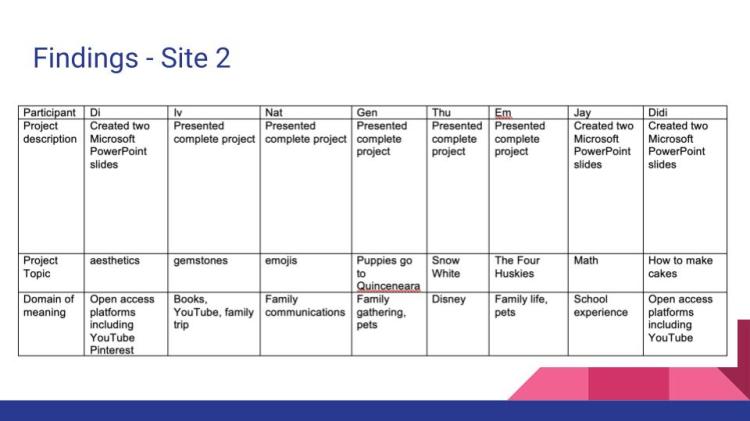
During their interviews, both participants explained the influences of their home lives for their projects. “Isaac” shared his project as a showcase for different gemstones, and he described his trip to the local gem show with his uncle as a source of inspiration. “Jen” shared details about her destination quinceañera as an inspiration for her favorite project. These findings expanded the definitions of multimodal literacies, and addressed the inequities to multimodal literacy assessments. Although she rarely represented her group in public showcases, and may not have the visibility as “Isaac” within the community at large, she contributed extensively in the process of digital storytelling by coordinating multiple sets of team members.
Moreover, this study challenges the notion of underrepresentation of girls in a STEM program by presenting an exceptional case (“Jen”). Therefore, this case study encourages researchers and practitioners to reconsider what counts as gender representation and reexamine ways STEM community participation is conceptualized.







 Lilly C. Lew Ph.D.